Microdermabrasion is one of the most popular skincare treatments on the market. It acts as a dead skin remover, but its transformative capabilities might not be as impressive as they first appear. In fact, microdermabrasion can cause lasting damage to the skin. In this blog, we'll cover what exactly microdermabrasion is and why it's damaging. We'll also cover the best alternative treatments.
What is Microdermabrasion?
Microdermabrasion is a non-chemical skincare treatment designed to buff away the top layer of your skin (stratum corneum). It’s a type of face exfoliator designed to remove dead skin cells.
Don't confuse it with dermabrasion. This is a stronger, invasive surgical procedure performed by dermatologists or plastic surgeons under anaesthesia.
Microdermabrasion is generally regarded as a superficial anti-aging treatment and supposedly reduces the appearance of fine lines, minor scars, wrinkles and age spots. Microdermabrasion before and after effects reportedly include younger looking skin and the overall feel of the skin being smoother.
The Benefits of Microdermabrasion
When answering the question "Is microdermabrasion worth it", keep in mind the next advantages. Speaking about the positive sides of the procedure, note that there are very few of them. The only scientific findings prove that it causes moderate effect. Skin improvements are mild and slightly visible. The procedure is effective for coping with:
- wrinkles;
- stretch marks;
- uneven skin tone;
- melasma;
- hyperpigmentation;
- scarring.
Thus, it eliminates visible skin imperfections. For example, hyperpigmentation after microdermabrasion seems to reduce. Yet, the topic is still debated since the negative effect of stripping away the skin`s barrier outweighs its positive side.
How Does Microdermabrasion Work?
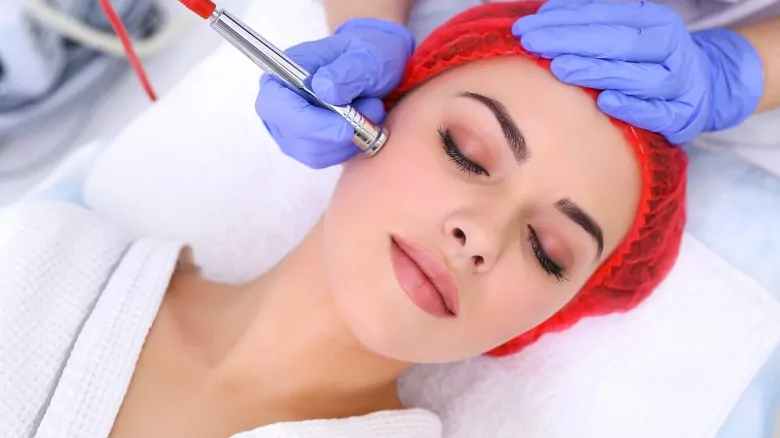
The most common application method involves the use of a specialist microdermabrasion machine being scraped along the very top layer of the skin. Most microdermabrasion units are negative pressure systems that blast aluminium oxide crystals into the skin. Some systems also use sodium chloride crystals or positive pressure.
Does microdermabrasion work?
The method is not approved for its efficiency. More and more cosmetologists stick to avoiding the method due to its inefficiency. If you search the Web for unbiased feedback, you can find such statements as “Microdermabrasion ruined my skin”. Thus, the procedure is not working and causes more risks rather than benefits.
There Are 3 Main Types Of The Procedure:
Diamond-Tip
This method of microdermabrasion uses a diamond tipped instrument to erode the top layers of skin, whilst suctioning the dead cells away. The technician's applied pressure and the length of time spent on each area of skin determines the depth of the treatment. Expressing areas of skin concerns to the technician allows them to target specific areas of the face. This method is also used close to the eyes as a result of its precision.
Crystal
This technique uses a spray containing fine crystals to rub off the outer layer of skin. There is also an in-built suction system to remove the crystals and dead skin cells.
Hydra Dermabrasion
This is a crystal free exfoliation method which instead uses water and oxygen.
Microdermabrasion side effects
Another important question to explain is Is microdermabrasion good for your skin;. So, let’s consider microdermabrasion risks.
- Skin inflammation.
- Redness and tenderness.
- Swelling and bruising.
- Flaky and dry skin.
- Increased sun sensitivity, resulting in sunburn and skin cancer.
- Skin pigmentation.
- Uneven lightening or darkening with spots.
So, answering the question "Can microdermabrasion damage your skin", yes, it can. There are too many side effects and risks posed by the procedure so microdermabrasion results are not worth it. Modern dermatologists recommend refusing this method.
Why You Need to Avoid Microdermabrasion
While there is some improvement in skin collagen content¹, the damage its causing to achieve this makes it not worth it in the long run. Microdermabrasion gives temporary results, that have long lasting damaging and aging effects.
The stripping of the stratum corneum can also result in bacterial infections. This is due to the breaking down of your skin’s barrier which leaves your skin vulnerable. This then allows potential bacterial infections to pass through the skin barrier.
On top of this, it leaves the skin more susceptible to damaging free radicals in the air, which arise from issues such as pollution. Free radicals are chemicals that have lost an electron. This causes oxidative stress as these free radicals are unstable and highly reactive. They resultantly oxidise everything that they come into contact with, which is one of the leading factors contributing to premature aging.
Aside from the surface action, microdermabrasion has a minimal effect on the skin underneath. This means the perceived benefits are largely superficial, and don’t work to actively target or treat underlying conditions, or signs of aging. In fact, all the above affects contribute to a gradual increase in the skin’s aging process.
Is microdermabrasion safe and good for your skin?
Definitely, not. The procedure is claimed to be ineffective with too many side effects and risks. Breakout after microdermabrasion is the least dangerous result of the method. Thus, it is better to give preference to other skincare procedures.
Microdermabrasion before and after
If you decide to try microdermabrasion facial treatment, make sure to keep the following pieces of advice:
- Do not expose the skin to direct sunlight and use toning products.
- Remember to use SPF products if you need to go out on a sunny day.
- Avoid waxing and peeling a week before and after the procedure.
- To improve the result, use skincare products with a high concentration of vitamins A, E, and C.
Finally, let’s consider microdermabrasion how often to apply. Note that the number of required procedures varies, depending on the skin condition. In most cases, 4-6 treatments with a gap of 1-2 weeks are required. Further, the procedure is repeated once per month (or at least per 3 months) to maintain the effect.
Microdermabrasion Is Temporary
Since human skin typically regenerates at roughly 30-day intervals, any visible improvement seen with microdermabrasion istemporary.
This means that the procedure requires repeating on average intervals of 2 to 4 weeks. Repeated exposure to microdermabrasion with small intervals, increases the chance of having long lasting skin damage, and can lead to the premature aging of the skin.
Alternative Treatments to Microdermabrasion
Osmosis Vitamin Infusion is a next generation "no-acid facial peel" for deep rejuvenation. It begins with a deep double cleanse and enzymatic exfoliation.
Following this is the vitamin infusion which uses liposomes to deliver a potent dose of vitamin A. The treatment involves the addition of added skincare actives depending on your skin conditions.
Following this is a lifting, plumping, and firming hydrating mask. At the end of the treatment, a combination of antioxidant-rich serums, hydrators, and protectors are then applied to the skin to delivery the ultimate level of protection.
Overall the treatment provides resurfacing whilst repairing the skin’s barrier. Vitamin A is also an antioxidant, which protects against the damaging effects of free radicals.
Microdermabrasion aftercare
If you still turn to this procedure, make sure to take proper care of the skin after microdermabrasion. The following products will help minimize the side effects of the method:
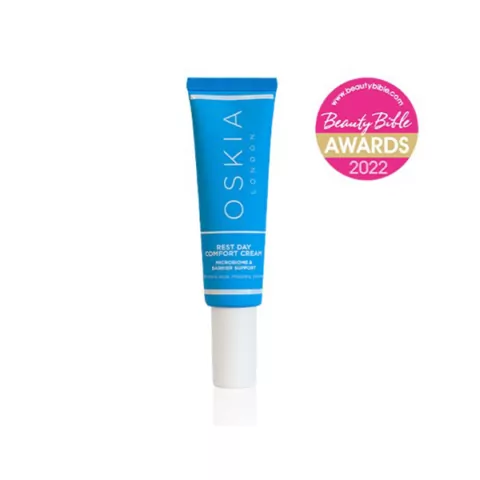
- Oskia Rest Day Comfort Cream helps cope with side effects by nourishing and protecting cells deeply. It supplies vital elements to cells to boost their processes and create a reliable protective shield on the surface to minimize the negative influence of the environment. The product keeps the hydro level under control and reduces sensitivity.
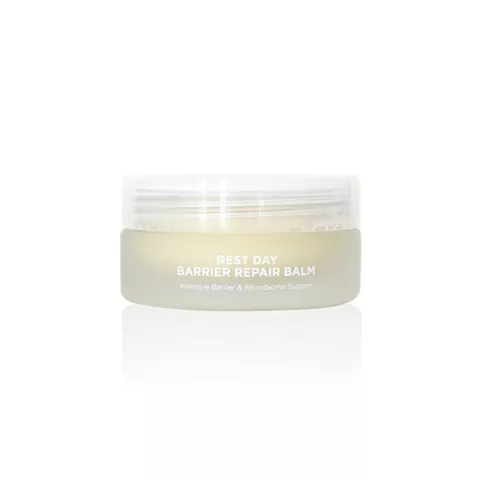
- Oskia Rest Day Barrier Repair Balm is a rich-formula product that causes nourishing, healing, and protecting effects. The product is rich in vitamins, nutrients, and extracts to activate cellular healing processes and create a protective barrier that prevents environmental aggressors from penetrating weakened cells.
- EvenSwiss Regenerating Plasma is packed with antioxidants that activate the self-regenerative capacities of cells. Its rich formula with Dermatopoietin and Panthenol heals the skin, activating its anti-inflammatory properties. Besides, it creates a protective layer on the face surface and prevents pore clogging with environmental contaminants.
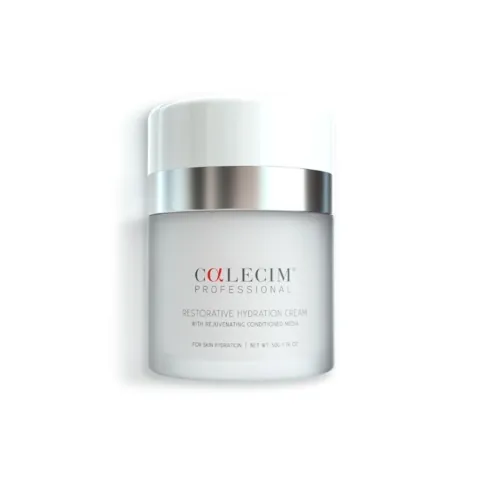
- Calecim Professional Restorative Hydration Cream is a powerful restoration moisturizer that normalizes the hydro-lipid balance in the skin and helps them revive after severe treatment. It protects the epidermis, creating a durable shield, and nourishes them with vital microelements that improve performance and heal damaged cells.
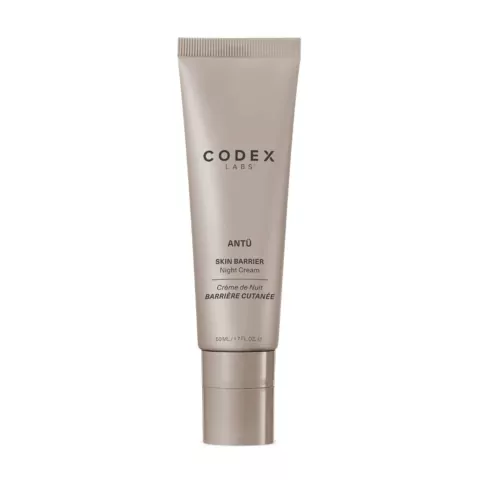
- Antu Brightening Night Cream is a super-charged product with an innovative formula. The product is designed to take care of cells overnight. Natural extracts, butter, and a potent AntuComplex create deep moisturizing and nutrition, reinforcing cells and improving their self-regenerating capabilities. The product also supports the skin barrier.
Dermabrasion vs microdermabrasion
To compare both procedures, you should clearly understand what they do. So, let’s clarify the question “What does microdermabrasion do”. Both methods are aimed at stripping the top layer of the skin. Yet, dermabrasion is more invasive. This procedure uses more intensive methods to remove the top layer of the skin. It is used to remove acne and post-surgery scars, as well as tattoos. Note that the method is applicable to fair skin only. As for microdermabrasion, it is suitable for all skin types.
Conclusion: microdermabrasion pros and cons
So, weighing microdermabrasion pros and cons, note that the procedure is not worth it. Its negatives are more severe rather than the positives. While the procedure can visually eliminate visible skin imperfections (stretches, scars, and dark spots), it also ruins the skin’s protective barrier, leaving your cells absolutely bare, that is, vulnerable to all sorts of external impacts.